




Discover Our Range of Regular Slotted Cartons (RSC) Our Regular Slotted Cartons (RSC) are the industry standard for secure, versatile packaging. Ideal for a wide range of products, these classic boxes close securely with flaps that meet in the middle, providing robust protection for your goods.
Regular Cardboard Boxes: Versatile Solutions for Every Need

Specialized Box Types for Specific Applications
SFC
(Semi-Finished Carton)
Perfect for products requiring ventilation, such as food items. The top and bottom flaps have a small gap, reducing material costs and allowing airflow.
SOL
(Semi-Overlap)
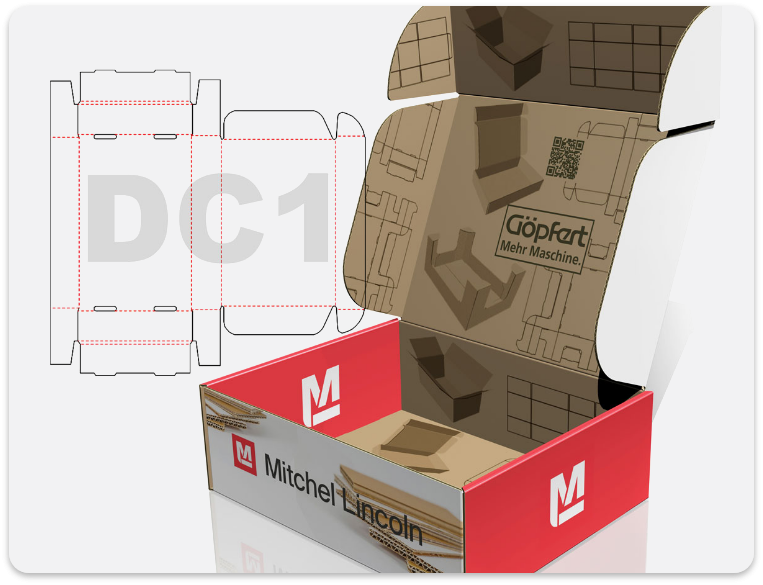
Designed for heavier items like meat products, these boxes feature double-thick top flaps, ensuring safety during transport and making it difficult for blades to damage the contents.
FOL
(Full Overlap)
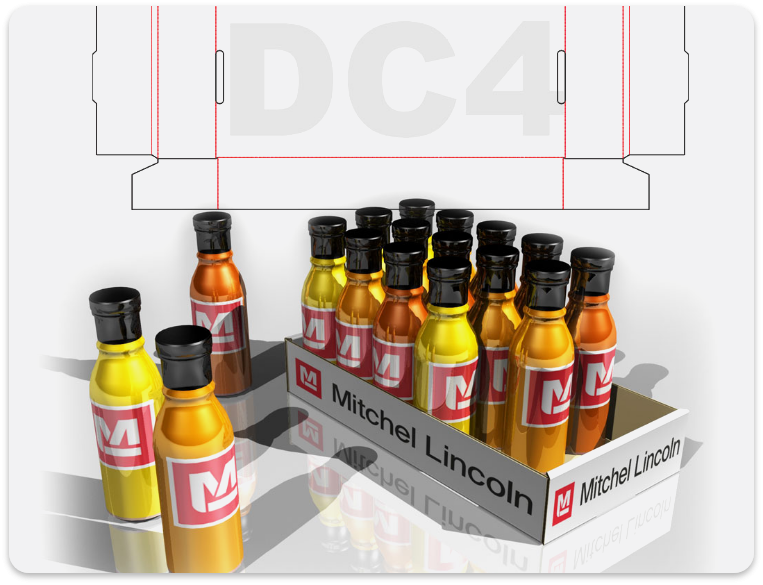
Ideal for products or those requiring extra protection, like electronics or furniture. The fully overlapping flaps provide enhanced security during shipping.
Specialty Packaging
Solutions
AFM (All Flap Meet)
Commonly used in pharmaceuticals and cosmetics, ensuring all flaps meet precisely for smaller boxes.
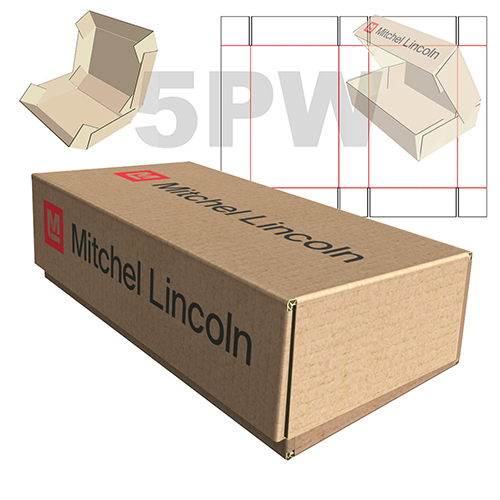
5PW (Five Panel Wrap)
Delivered flat or folded, perfect for large items like furniture, simplifying the packaging process.
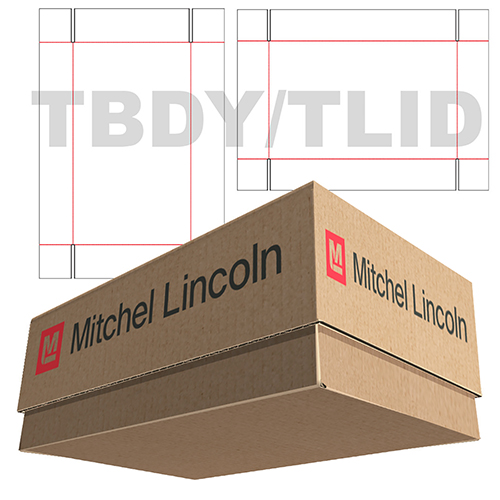
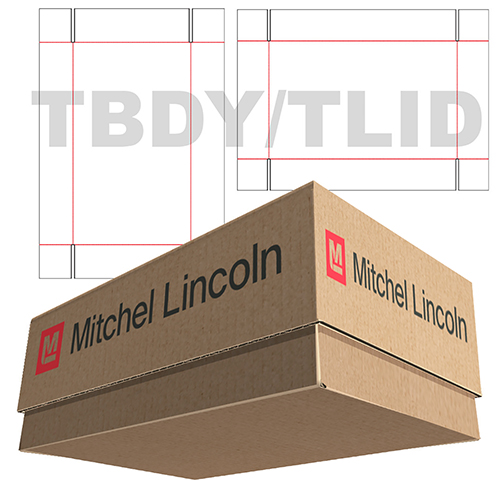
T-Body & T-Lid
Sturdy trays ideal for stacking and protecting large, multi-part products like baby cribs or furniture.
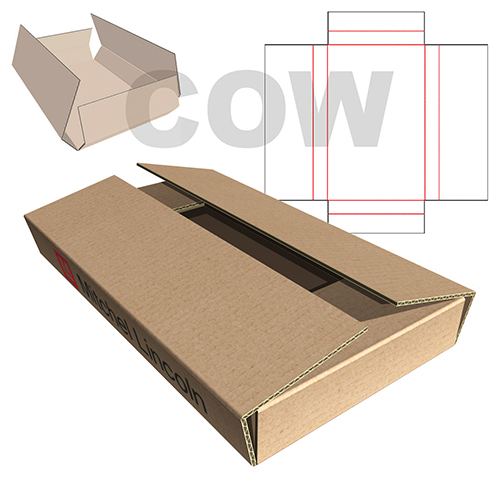
C.O.W (Cut Out Wrapper)
Best for mailing small items such as books or magazines, offering a cost-effective solution with adequate protection.
Why Choose Us for Your Packaging Needs?
At Mitchel Lincoln, we offer more than just boxes; we provide tailored solutions that optimize your packaging process and protect your products. Whether you need a standard RSC or a custom-designed carton, our team is here to help you find the perfect packaging solution.
Contact Us Today
Reach out to our experts to discuss your specific packaging requirements and discover how we can help you streamline your operations while ensuring the safety and presentation of your products.
FAQs
What are regular cardboard boxes used for?
Regular slotted cartons (RSC) are the industry standard for secure, versatile packing and shipping. They reliably protect products across many industries, from food and electronics to furniture, pharmaceuticals, and cosmetics.
What is the difference between regular boxes and custom boxes?
Regular boxes are standard slotted cartons made in common styles and stock sizes. Custom boxes are engineered to fit a product’s exact dimensions, shape, or protection needs, often using die-cutting.
When should you use regular boxes for packaging?
Use regular boxes when products have standard shapes, and you need dependable protection at low cost. They suit shipping, storage, and distribution, while unusual shapes may call for custom designs.
What sizes of regular cardboard boxes are available?
Regular boxes come in many length, width, and height combinations, from small cartons to large shippers. Mitchel Lincoln can size them to your product, so contact the team for dimensions.
Are regular boxes suitable for shipping products?
Yes. Regular slotted cartons are the industry standard for shipping, with flaps that close securely. Full overlap versions add extra protection for heavy or fragile items like electronics and furniture.
How strong are regular cardboard boxes?
Strength depends on the board grade and wall type. Single-wall boxes suit lighter loads, while double-wall boxes handle heavier products. Overlapping flaps add protection, and Mitchel Lincoln can recommend the right specification.
What is the difference between single-wall and double-wall boxes?
Single-wall boxes have one fluted layer between two liners, offering lightweight, economical protection for shipments. Double-wall boxes add a second fluted layer for heavier loads, stacking strength, and puncture resistance.
Can regular boxes be recycled?
Yes. Regular corrugated boxes are recyclable, and Mitchel Lincoln makes its products primarily from recycled materials. Remove excess tape, flatten the box, and keep it clean and dry before recycling.
Are regular boxes more affordable than custom packaging?
Generally yes. Regular boxes use standard designs and sizes, so they avoid custom tooling costs. Custom packaging can still save money when a precise fit reduces damage and shipping costs.
How do I choose the right regular box size?
Measure your product’s length, width, and height, then add room for cushioning. Choose the smallest box that fits securely to limit waste and shipping costs. Mitchel Lincoln’s experts can advise.